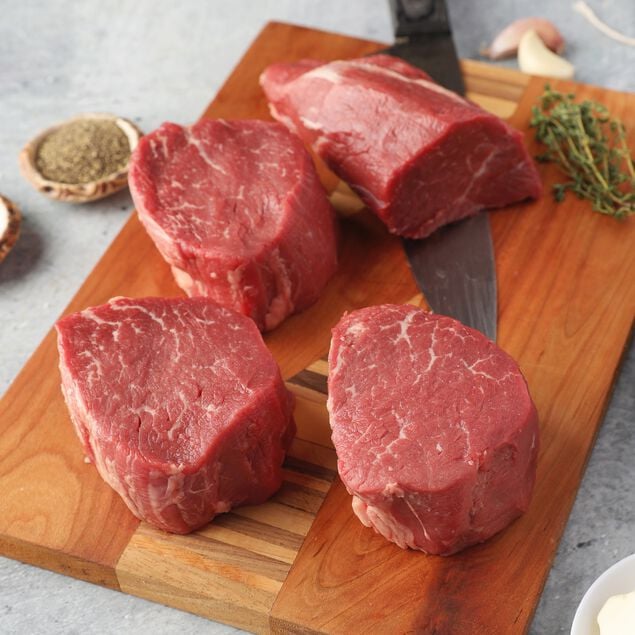
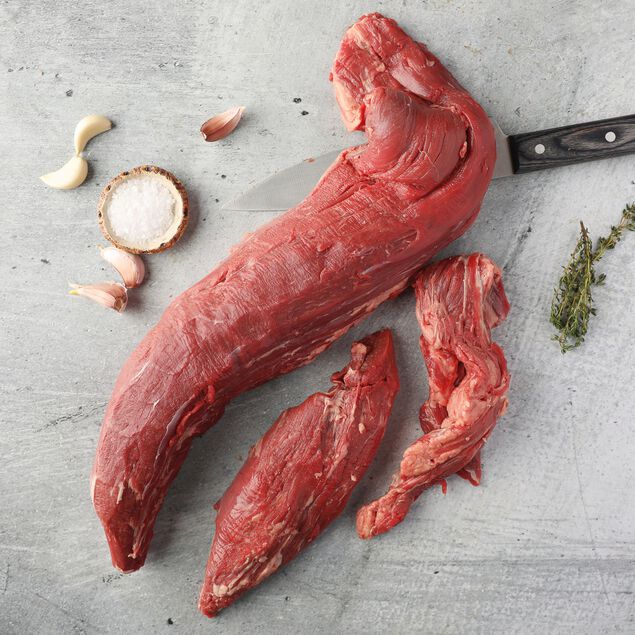
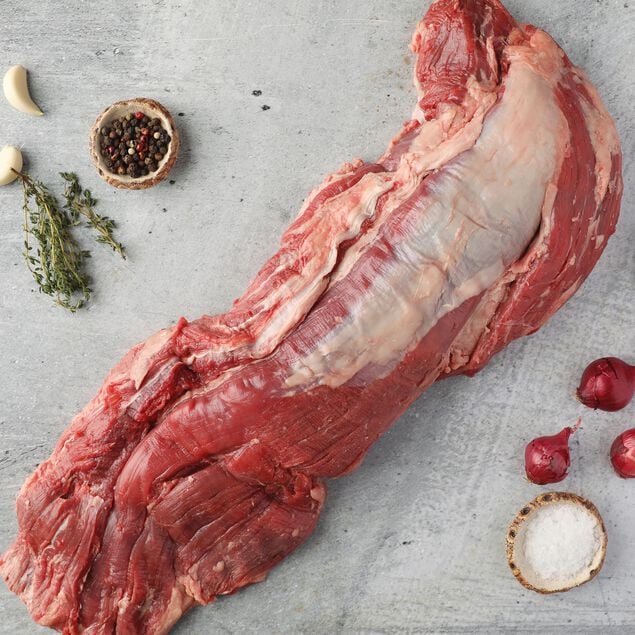
Angus Beef Tenderloin
-
In Stock
- 100% natural beef from Angus cattle
- No growth hormones, steroids or antibiotics
- Raised entirely on pasture
- 100% vegetarian diet, with annual and perennial grasses and feed
- Equivalent to Choice-Plus graded beef
- Wet aged a minimum of 21 days
- Ships in an uncooked state
- Born, raised, and harvested in the U.S.
- For best taste on fresh products, use or freeze within 3-5 days of receipt; for frozen products, use within 1-2 days after thawing
- Subscription Eligible
Breaking down a whole beef tenderloin is mostly about following its natural seams and cleaning it up for even cooking.
- Place the whole tenderloin on a large board, pat it dry, and identify the thick “butt” end, the long center, and the thin “tail.”
- Find the loose strip of meat and fat running along the side (the “chain”) and pull it away with your fingers, using small knife strokes where needed; save it for stir-fries, kebabs, or grind.
- Trim off thick surface fat and then carefully remove all the silverskin by slipping a sharp knife just under it and gliding along the meat, angling the blade slightly up so you don’t gouge the tenderloin.
- Square off the very thin tail and any ragged ends, reserving those trimmings for tips or stew, leaving a relatively uniform center section.
- For a roast, tuck the tail under to even the thickness and tie the whole piece with butcher’s twine every inch or so; for steaks, cut the center into 1½–2-inch medallions for filet mignon, keeping sizes consistent so they cook evenly.
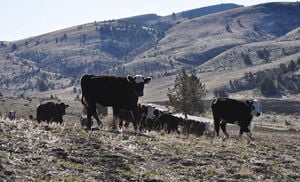
Our marbled and flavorful Angus beef comes from cattle raised exclusively for D’Artagnan by a cooperative of ranchers committed to strict protocols of humane animal husbandry.
The Angus cattle are raised entirely on pasture, rotationally grazing on nutritious grasses and given a supplemental vegetarian diet enriched with vitamins E and A to strengthen their immune function and overall health.
The ranchers take every care to support both the health of the environment and cattle. They know exactly where each animal comes from and can track them from birth to processing, which happens at about 26-28 months of age. Each cow comes with an affidavit proving that the rancher followed the cooperative's strict protocols.