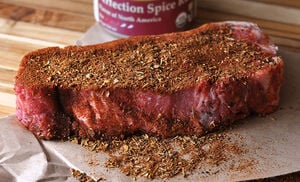
Bison Top Sirloin Steak
-
In Stock
- Indigenous Plains Breed Bison (Bison bison subsp. bison)
- 100% pasture-raised with access to grain and hay when grass is scarce
- No hormones or antibiotics administered
- Full traceability and source verified only from our cooperative of independent ranchers
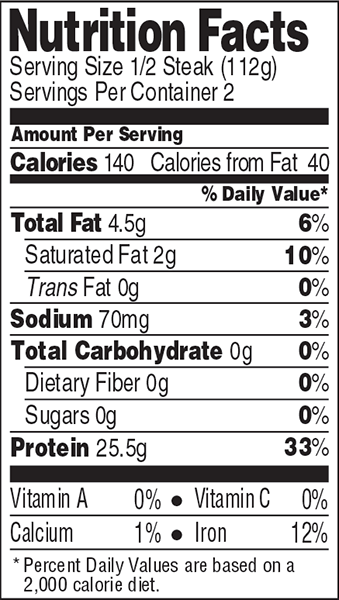
- Bison has as much protein, vitamins and minerals as beef, but with less fat
- Rich in B-complex vitamins, with a healthy ratio of Omega-3 to Omega-6
- Air chilled for best flavor, texture and color
- Sold in an uncooked state
- For best taste on fresh products, use or freeze within 3-5 days of receipt; for frozen products, use within 1-2 days after thawing
- Subscription Eligible
For basic cooking instructions, Download our Bison Cooking Guide.
Bison offers nutritionally-dense red meat with 25% to 30% more protein than beef, 25% less cholesterol and about half the calories. Higher in iron and possessing a sweet flavor, bison is the ultimate free-range, good-for-you red meat.
As with all lean game meats, our bison top sirloin steak is best prepared using lower temperatures than you would for beef. Because there is virtually no fat on this steak, there is no protection from the heat, and the meat cooks more quickly than beef does, so keep an eye on it when cooking it for the first time.
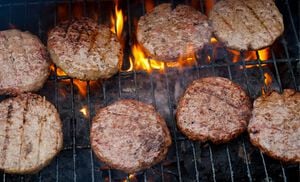
The firm, dense meat of this top sirloin steak is best when served rare to medium rare. Always add a little fat when cooking; either brush lightly with oil, baste with butter, or use rendered bacon fat in a heavy pan. If grilling, use the cooler part of the grill.
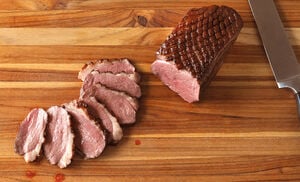
Full-flavored bison top sirloin is amazing when thinly sliced and stir fried. It pairs well with other quintessential American ingredients like corn, tomatoes, peppers, chilies and bourbon (a nice deglazing agent in a pan full of bison drippings).
Our ranchers raise bison, and bison only. In a market inundated with corporate-owned animals, our bison are sourced exclusively from a rancher-owned cooperative of independent families. This allows our ranchers to focus solely on the animals’ needs, and adhere to specific codes of conduct, including sustainability and animal welfare practices. The ranchers meet periodically to further their education in best practices, programs, and trends affecting the bison industry.
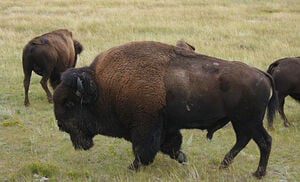
Never truly domesticated, these indigenous animals, often incorrectly called buffalo, are raised on vast pastures in Canada and the U.S. to exacting specifications—and never any antibiotics or added hormones. The plains breed bison (Bison bison subsp. bison) graze on prairie grasses as they have done for centuries, and prefer to live outdoors year-round, with very little human interaction. Their diet is supplemented by wholesome grains and hay when grass is scarce in winter months.
They are the perfect animal for those practicing regenerative agriculture today. Bison eat only the sweetest parts of the plant and leave the rest; their cloven hooves naturally disturb the topsoil, incorporating organic matter and leaving cover to fertilize and encourage plant growth. The result is a beautiful, well nourished, and healthy prairie, consisting of grasses, sedges, and legumes, that sequester carbon in the soil, reduce water usage, and provide an enhanced habitat for wildlife and livestock.
All our bison are processed humanely by hand, at a certified facility in North Dakota built and used exclusively for bison. From the field to the facility, a state-of-the-art, vertically integrated handling system of corrals, funneled walkways, and chutes are designed to provide the ultimate in safe and humane movement of bison on and off the ranches.
The carcasses are cooled down quickly in circulating cold air. Other programs employ a “rinse and chill” process, which adds water weight, includes phosphates, and bleaches out the beautiful deep red color of the meat. This produces off flavors and odors and adds chlorine and other chemicals found in tap water. Air-chilling is not only cleaner; it best preserves the rich flavor. The quality of the meat on the plate is the result of our ranchers’ respect for both the well-being of the bison and the land upon which they roam.