The Pro Chefs Know
If you’ve had the pleasure of dining in a fine restaurant with a view of an open kitchen then you’ve witnessed mise en place first hand. Each cook stands at his or her station with all of the ingredients and tools they’ll need for the entire service at the ready – vegetables are washed and chopped, meats are trimmed and portioned, fish is deboned and filleted, pans, tongs & towels are all standing-by, ready for action. With everything in its place, including the cooks, the kitchen moves like clockwork. In the industry, this is sometimes referred to as ‘the dance’.
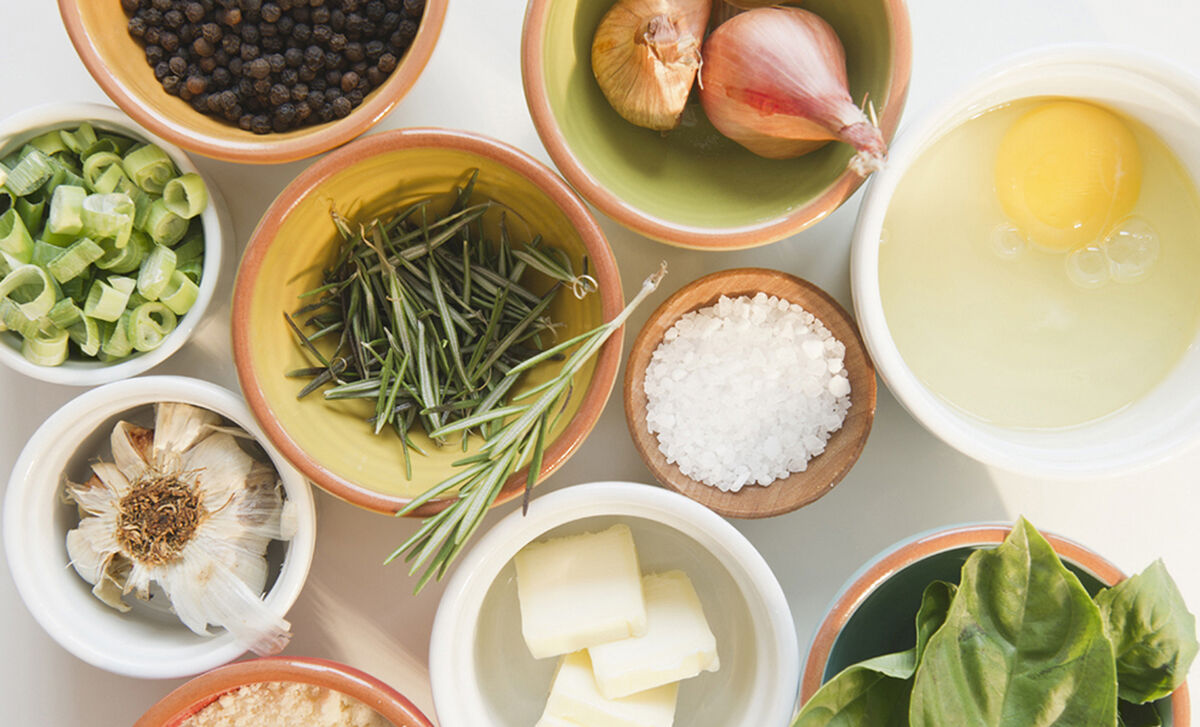
Have you ever noticed while watching cooking shows that all the ingredients are expertly measured and queued up in little ramekins, while the perfectly coiffed tv chef whisks with one hand, pours a glass of wine with the other and recounts her last trip to Italy, all without breaking a sweat or her sauce? Well, she’s not Superwoman. She has mise en place. (and probably a really good hairdresser)
Mise en Place at Home
Mise en place for the home cook is much more than just pre-chopping, pre-measuring, and setting everything out in diminutive bowls in a straight line. True mise en place starts long before that in the planning of what you’re going to cook. It’s calculating how much you need to cook for how many people you’re serving. It’s making sure you have all of your ingredients and equipment before you even think about picking up a knife and mentally walking through your recipe anticipating the steps before they happen.
Once you’ve done the mental work it’s time for the prep. All of the ingredients you will need should be pulled out of storage, measured, washed if needed, trimmed or cut as needed, and laid out on the counter within reach of where you’re working. Putting the ingredients in order of when you’ll need them helps too. You should have your tools and equipment ready as well - utensils within reach, small appliances assembled, pot holders and towels ready, and oven preheated. And don’t forget to pull out your serving dishes and set your table. It’s all part of mise en place.
Is the Work Worth It?
All of this planning and prepping may seem like a lot of work but in most cases, it’s worth the time and effort. Mise en place will prevent you from getting halfway through a recipe only to find you’re missing one crucial ingredient. It keeps you from spilling a bag of flour because you’re trying to measure before your butter burns or from missing an ingredient entirely because you were distracted from doing too many things at once. Have you ever mistakenly added salt when a recipe called for sugar? Mise en place gives you less of a chance for such mistakes. It also alleviates stress because most of the work has been done, which is especially great if you’re entertaining or preparing an advanced or complicated recipe. We would say that’s it.
Related Products
Starting at
Price reduced from
$19.99
to
$15.99
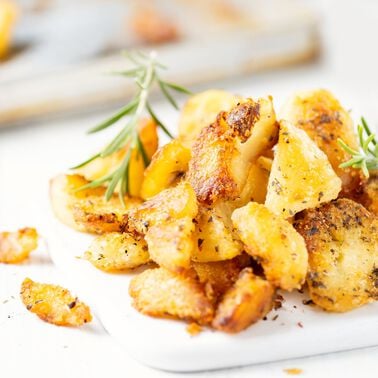
- All natural
- No added preservatives or artificial ingredients
- Low in saturated fat
- Gluten-free
- Ships frozen (best kept frozen)
- For best taste, use within 6 months of receipt and/or by the expiration date on the package
- Subscription Eligible
Starting at
Price reduced from
$25.99
to
$20.79
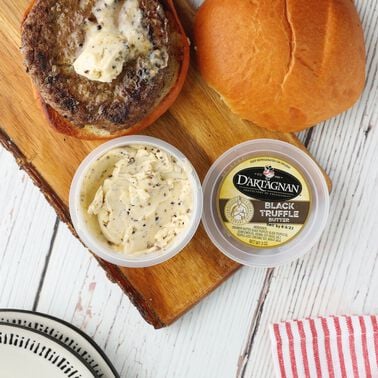
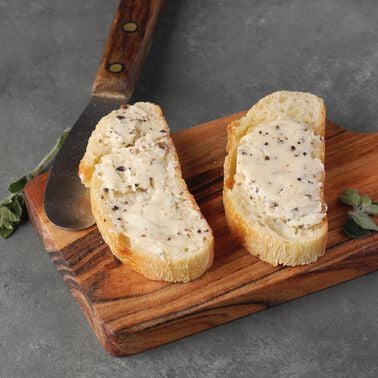
- All-natural ingredients
- Small-batch production
- Grade AA creamery butter
- Real truffles
- Ideal for meat, sauces, pastas
- Freezes beautifully
- Allergens: Contains milk, soy, wheat, mushrooms, seeds
- For best taste, use or freeze within 14 days of receipt and/or by the expiration date on the package
- Subscription Eligible
Starting at
$10.99
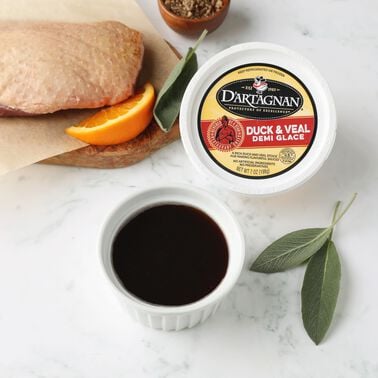
- 100% natural
- Bones from humanely-raised ducks and veal calves
- Slow-cooked in small batches for quality
- Rich, concentrated flavor
- Silken texture
- Freezes beautifully
- Gluten-free
- Contains alcohol
- For best taste, use within 1 month of receipt and/or by the expiration date on the package
- Subscription Eligible